One more hurdle between us and home
The story of a meeting, a road, and the bureaucratic battle to build Ohr Chabad.
We walked into our monthly meeting on Sunday feeling optimistic.
The last few months had been frustrating. Maddening, really.
By now, we should have had the entire first neighborhood of Ohr Chabad built. We should have been living in it, planting gardens, welcoming neighbors, and building a beautiful community together.
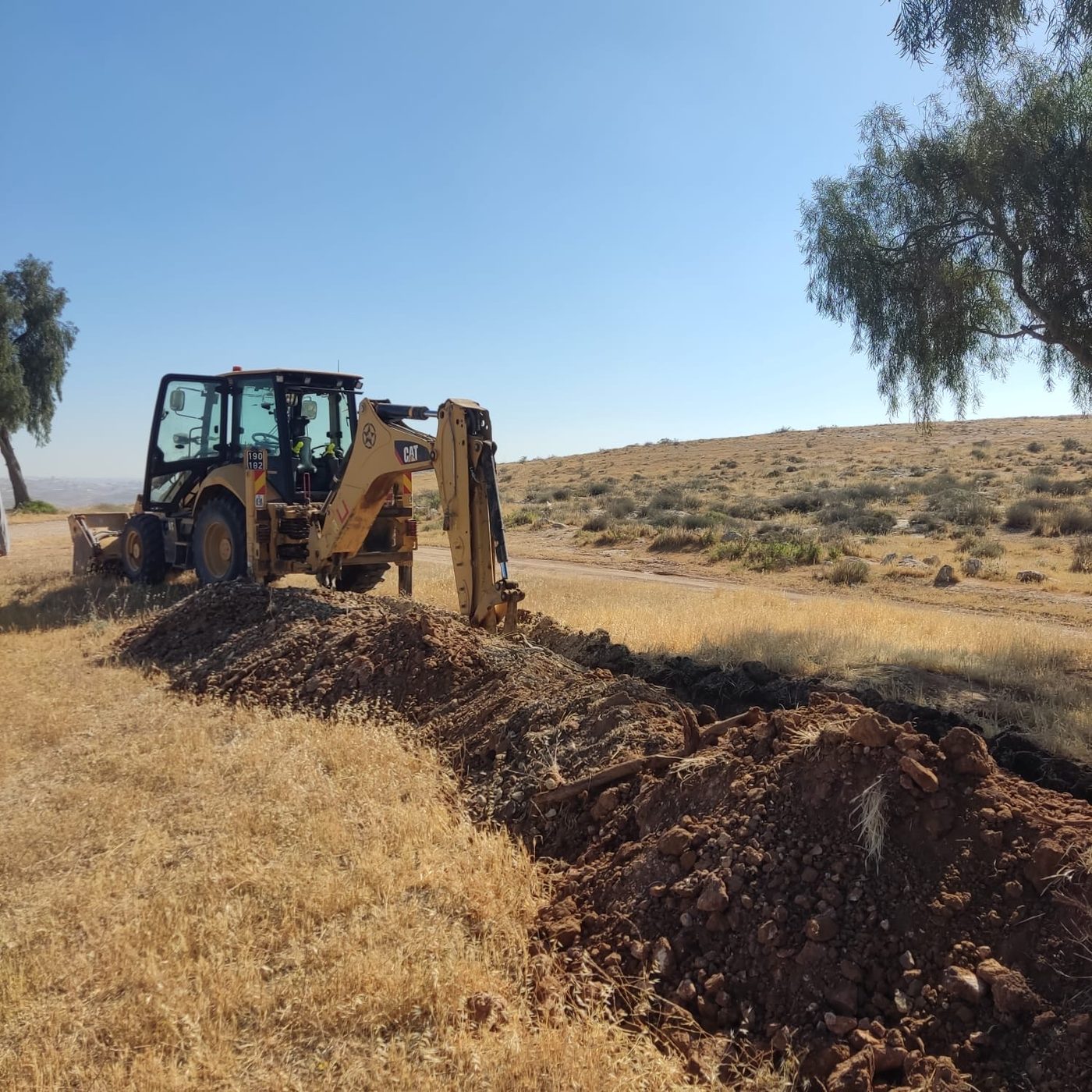
Instead, all we had to show for thirteen years of work was a waterline and preliminary road preparations.
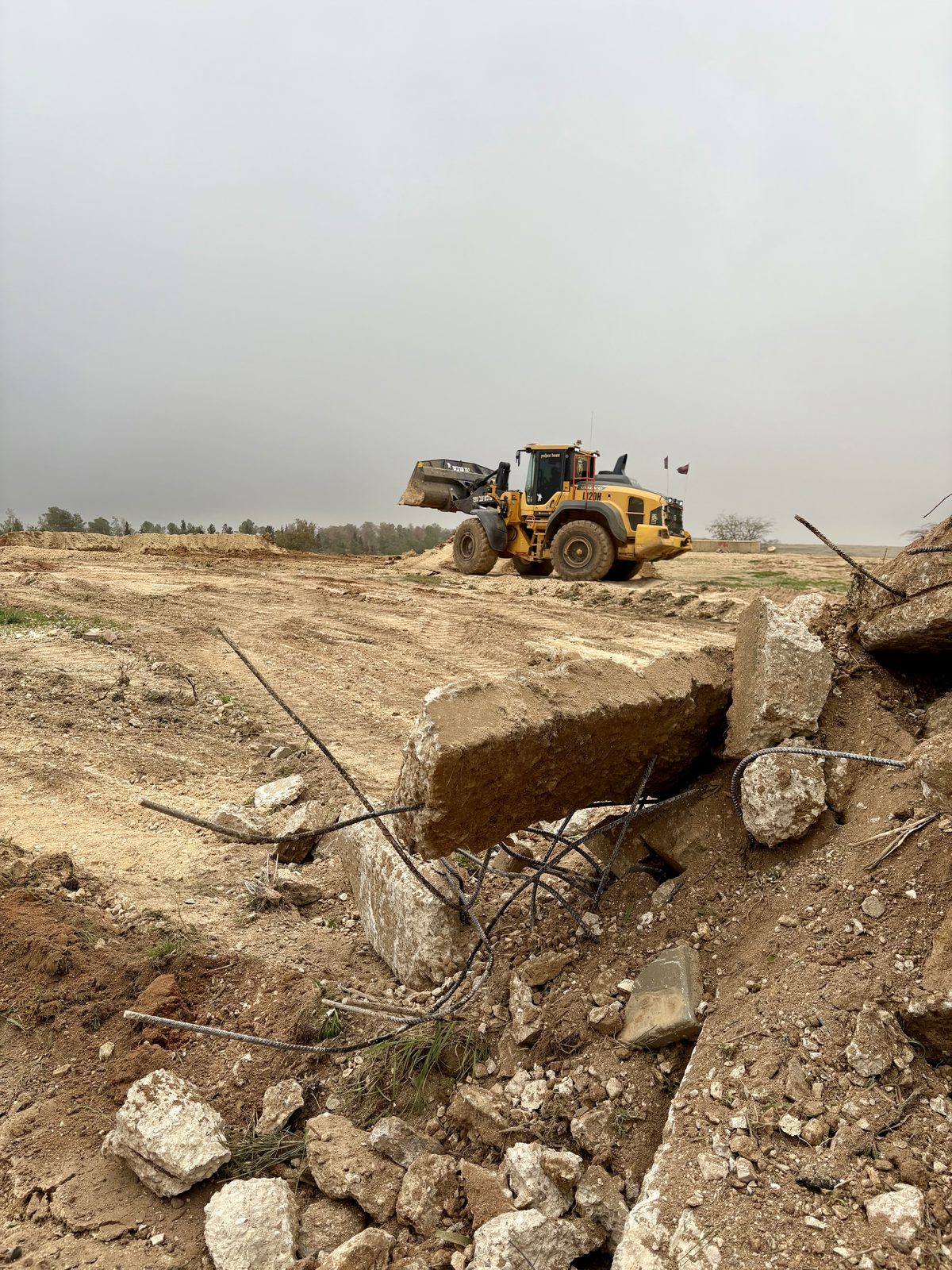
None of the delays had been expected. They were all the results of a bureaucratic system that is clogged with regulations and full of holes.
Yes, that makes no sense. But at every step, we either discovered another unnecessary legal requirement, or found that there was no legal authority assigned to put the required stamp on the paper.
But now, finally, we seemed to have cleared one of the biggest hurdles. The final hurdle of hurdles.
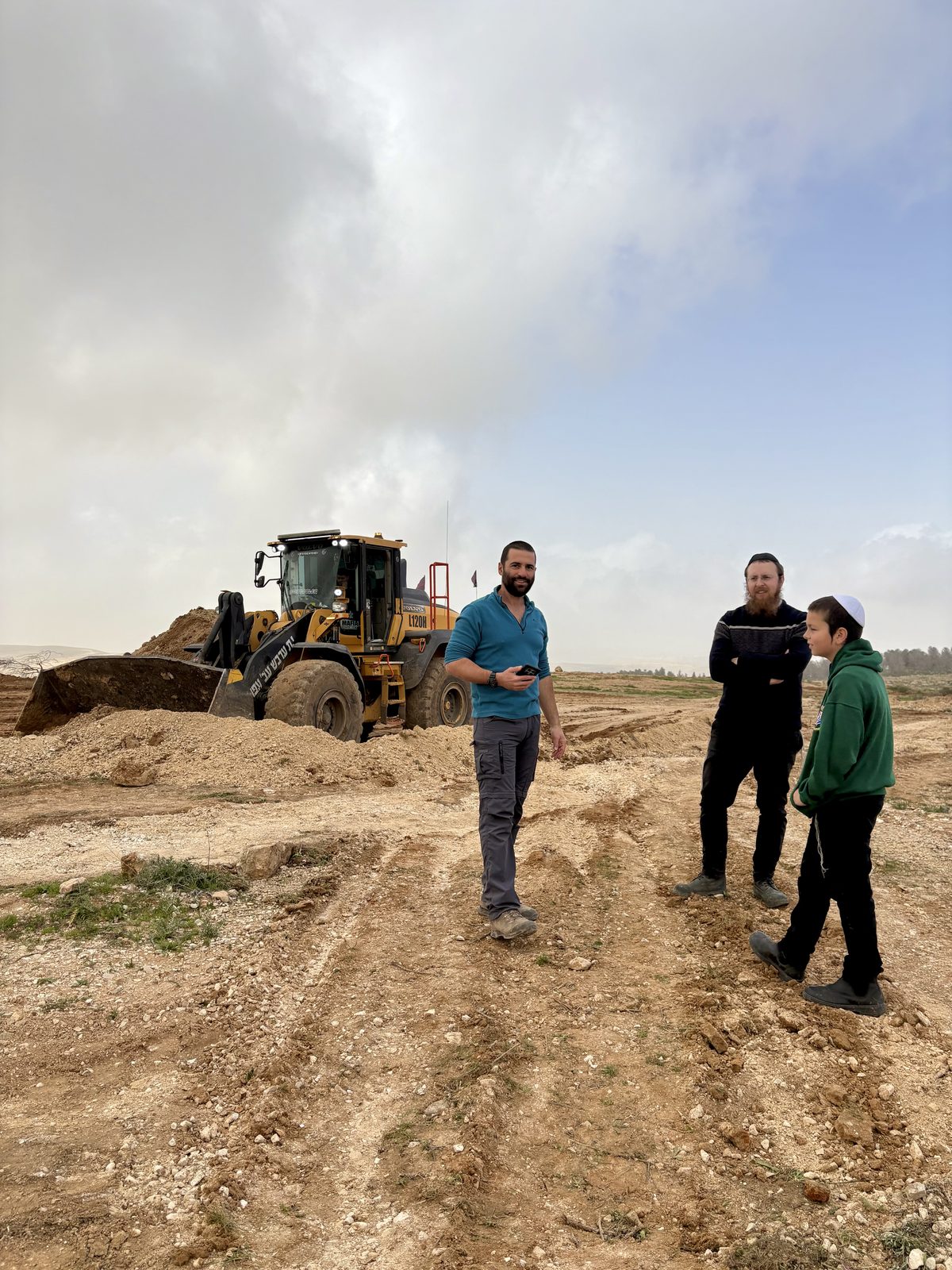
KKL (the Jewish National Fund) and the Chativa L’Hityashvut (the Settlement Division) had drawn up an agreement that would allow work to begin. KKL would pave the roads, level the land for our first neighborhood, and install the water, electricity, and communications infrastructure leading to each home.
We were finally ready to turn years of plans into something real.
A vision in the forest
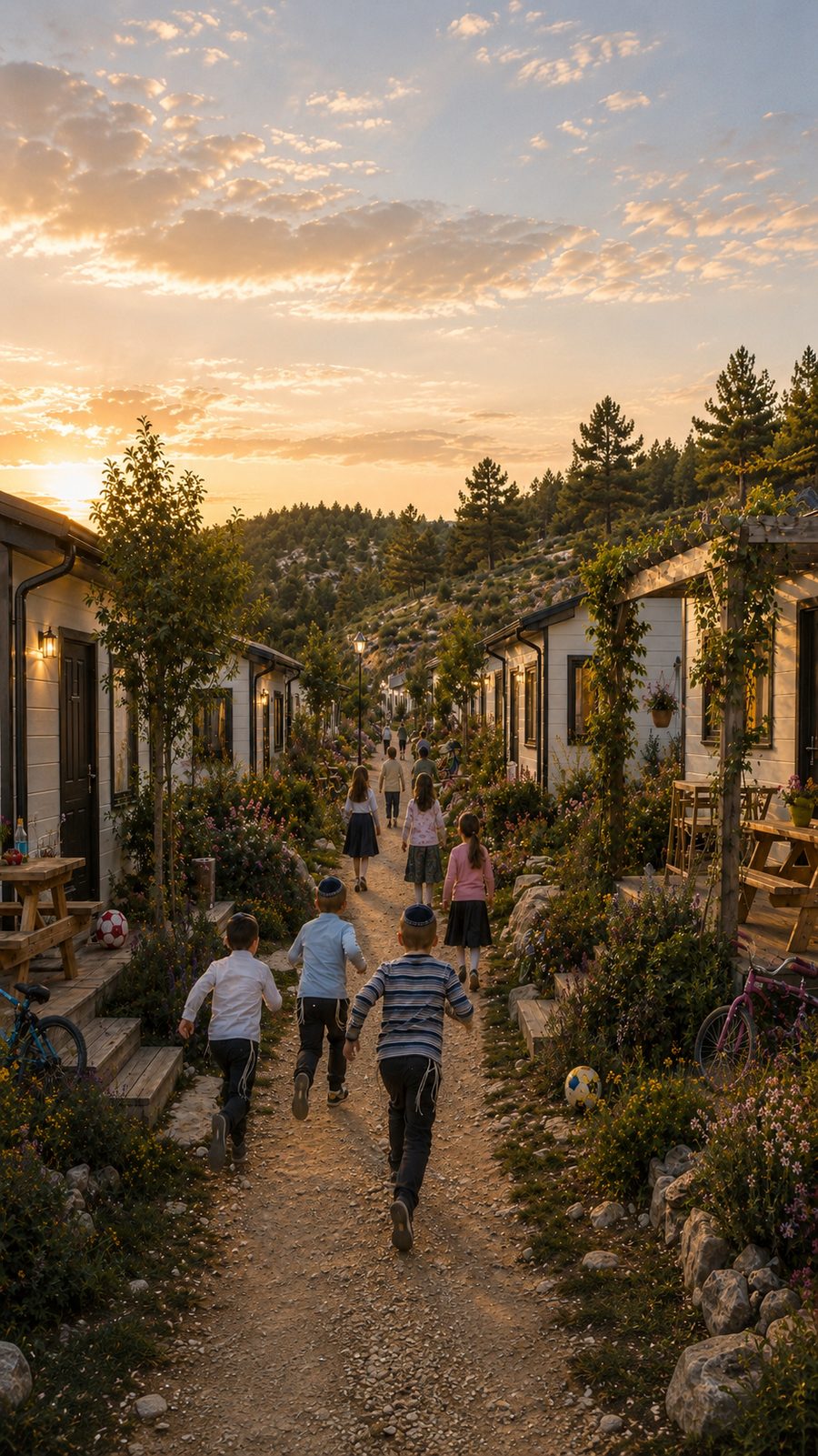
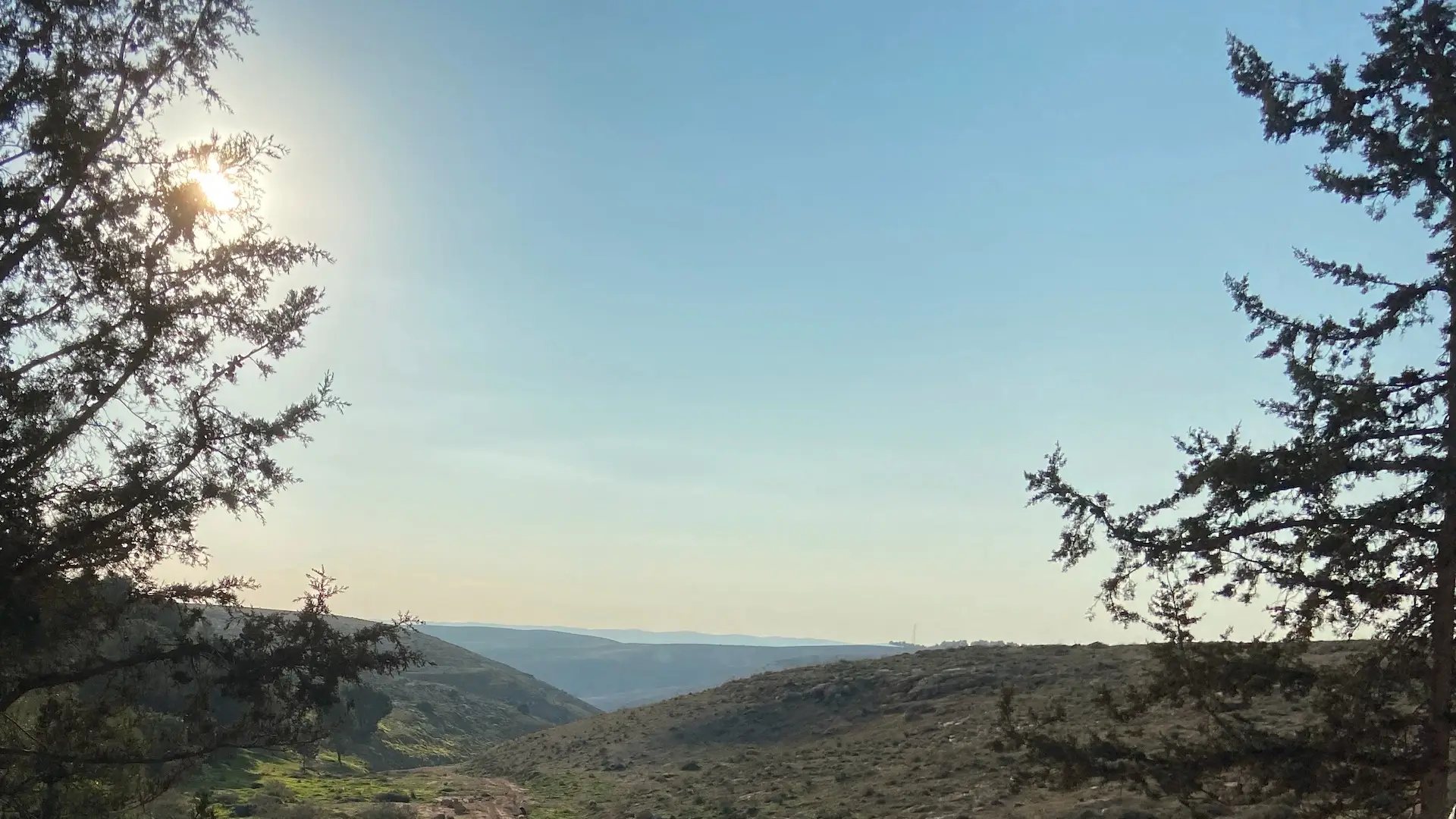
For those who are newer to our journey, Ohr Chabad is a new Chabad community we’re building in the Yatir region, on the edge of the Judean Desert.
Picture a little neighborhood nestled among the trees. Children riding bicycles between homes. Families gathering for Shabbat meals. A shul filled with prayer and song. Gardens taking root in the desert soil.
A warm, vibrant Chabad community, built from the ground up, where families can put down roots and grow together. An essential piece of the Land of Israel brought to life by Jewish families who have come to build their future here.
That’s just the beginning.
Our long-term vision includes hundreds of homes, schools, community institutions, and a hospitality center welcoming visitors from across Israel and around the world to come connect with the Land of Israel at a soul-felt level.
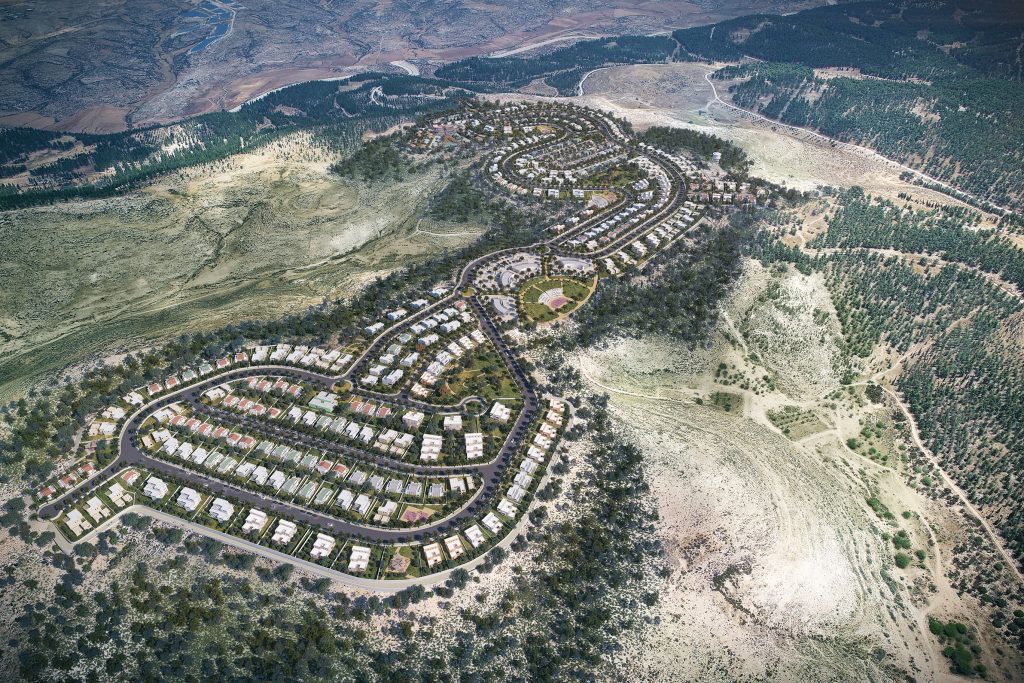
But first, we need to get our founding families home.
Good news, at last
We sat down in the Chativa L’Hityashvut conference room in Be’er Sheva.
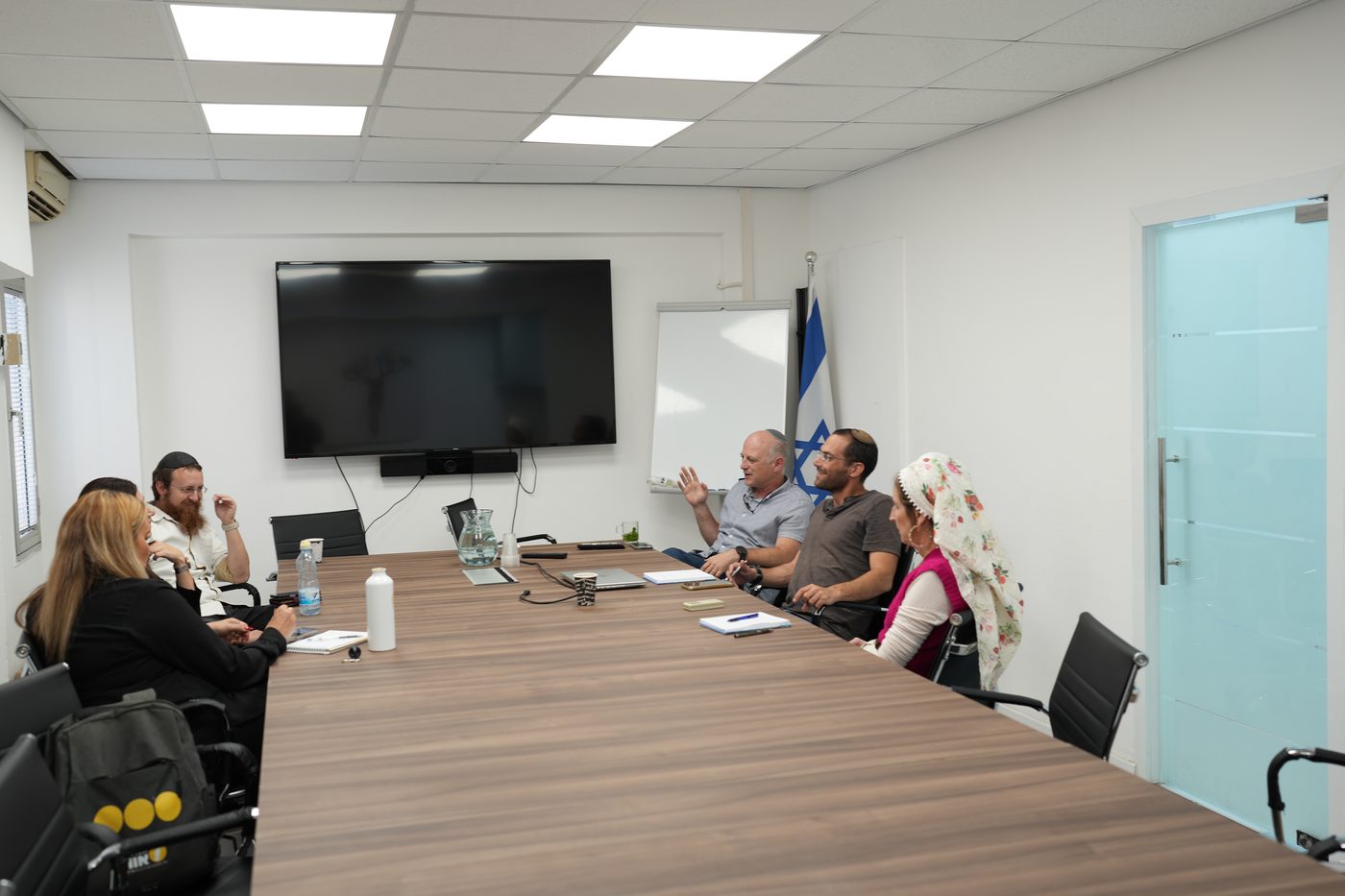
The Chativa is a government organization tasked with developing new communities in Israel’s Negev. Its southern division is staffed by fantastic, highly motivated people who genuinely want to help develop some of Israel’s most neglected regions.
Yehuda Avni, the head of the southern division, greeted us optimistically. We first met Yehuda thirteen years ago, and we’ve been working with him ever since.
“Yedidya is on the phone, but he’ll join us soon. After this phone call, he should have some not-bad news for us!”
Yedidya is the project engineer. Also at the table were Elad, the project manager, and Ravital from OR Movement, an NGO that has been guiding us from the very beginning.
We began reviewing our progress and the steps ahead.
The good news: we’d received a green light from the Nature and Parks Authority (notoriously nicknamed “the Greenies”). With the KKL agreement in place, that should mean roadwork could finally begin in the coming week.
The Israel Electric Corporation was ready to lay cables alongside the road. Even better, it looked like we’d be getting fiber-optic internet infrastructure installed at the same time.
Our first neighborhood, which we’ve dubbed the “Pioneers’ Neighborhood,” will be built with prefabricated homes.
Why prefab?
Because building conventional houses would require navigating even more bureaucracy, potentially adding years, if not decades, to the process. But getting our feet on the ground first, with prefabricated homes, gives us a faster path.
(Yes, ridiculous again. But that’s the reality.)
The 33 prefabricated homes and community buildings have already been ordered and paid for. Their materials are waiting at the Israeli factory.
The homes will be partially assembled there, then transported to Ohr Chabad on three trucks each, where construction will be completed.
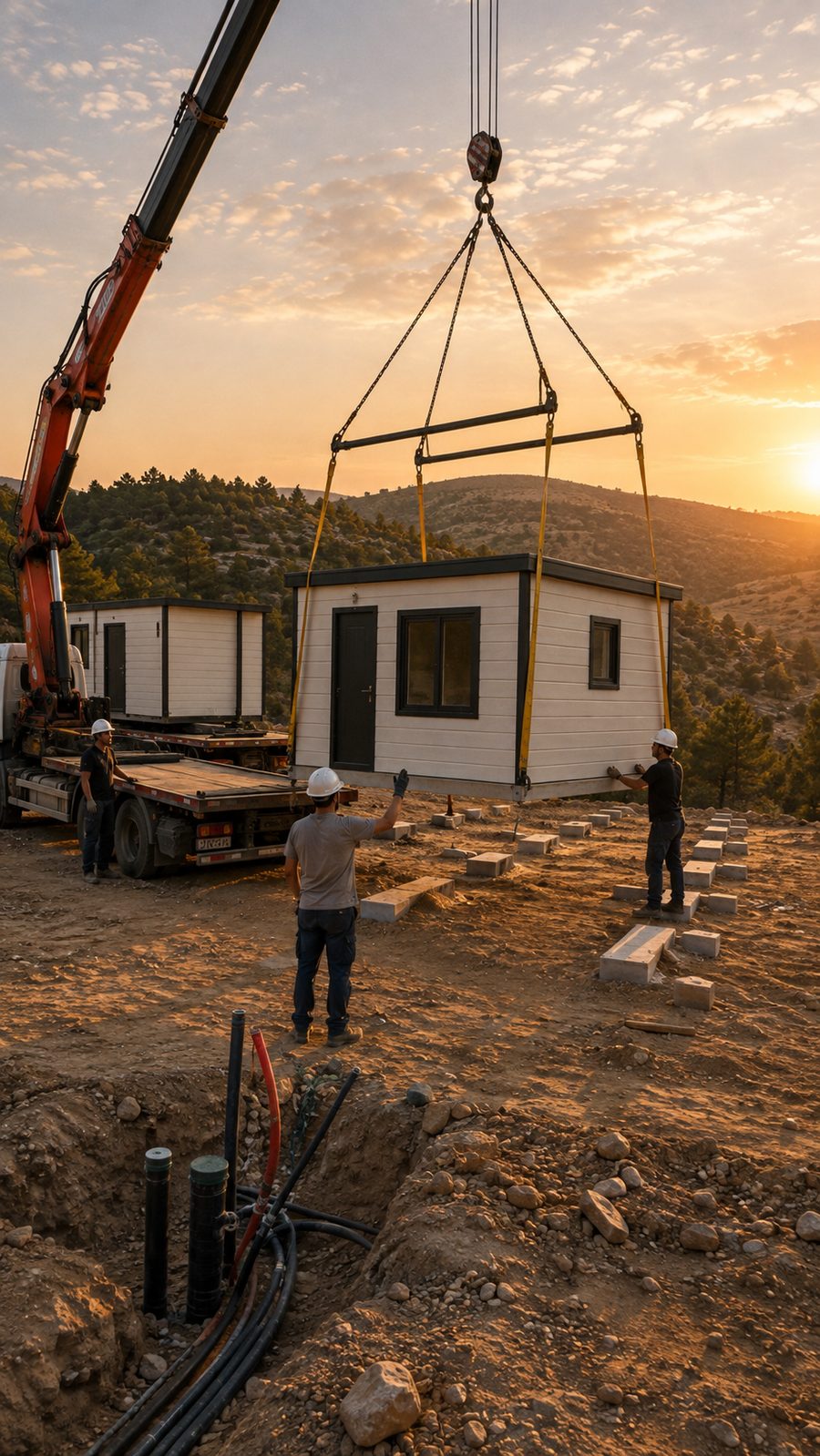
We actually received approval for their delivery two years ago.
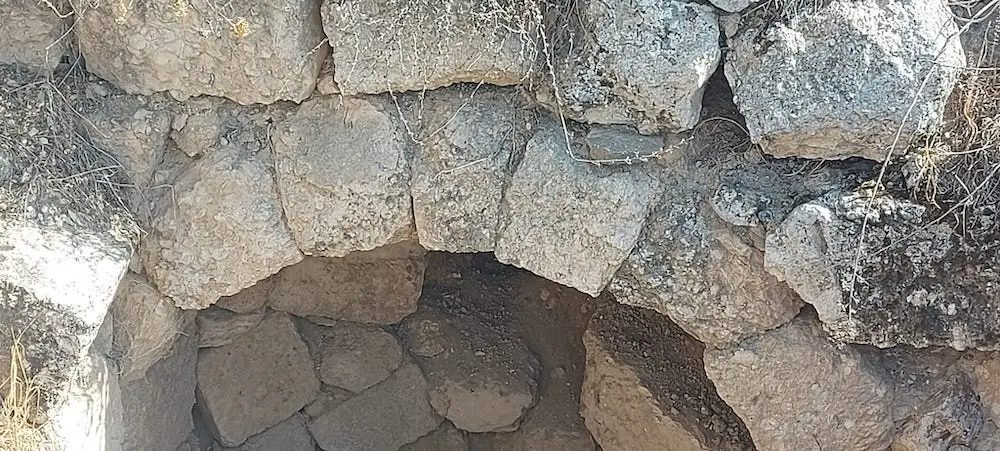
But then an old water system was discovered at the edge of the neighborhood, beneath what was supposed to be a home driveway.
That meant revising the plans and obtaining fresh approvals.
Thankfully, we now expect those approvals to be ready by the time KKL finishes the infrastructure.
But why did such a minor change take almost two years?
Because after the revised plans were prepared, there was no authority to submit them to.
Nobody knew who was legally empowered to approve them.
For real.
This particular area of Israel, between Be’er Sheva and Arad, doesn’t fall under a functioning regional planning framework for approving new communities.
When we first began, we’d submitted our plans as a neighborhood of an existing nearby town. A bureaucratic workaround that worked at the time, but couldn’t carry us any further.
Now we needed a permanent solution.
So the government had to establish a new planning committee with the authority to approve development in the area.
Another lengthy bureaucratic process.
“I know it’s frustrating. But because of you guys, it’s now going to be so much easier for us to build all the towns in Mevo’ot Arad. Now we have the bureaucratic infrastructure set up for it.”
Eleven new communities are planned for the Mevo’ot Arad region, an area that has long suffered from near-zero government oversight, illegal construction and sprawling unregulated dumping.
Establishing properly planned communities, with roads, infrastructure, services, and responsible local governance, is an important step toward keeping the region clean and safe.
Until now, the bureaucratic obstacles had made that extraordinarily difficult.
Yehuda described Ohr Chabad as the project that was finally clearing the blockage, opening the way for the other communities to follow.
So while we’ve been battling for years to build our own town, we’ve also been helping create the framework for an entire region to develop.
A powerful silver lining to the years of struggle.
And then Yedidya walked in.
Not-so-good news
He was supposed to have “not-bad” news for us.
Instead, he looked like he’d just spent an hour banging his head against a wall.
We looked at him.
He sat down.
“He says the road needs to be wider. At the exact point where it can’t be. And where everyone else said it’s okay.”
Yedidya had just finished a long phone call with an inspector from the Transportation Ministry.
He’d gone into the call expecting a routine stamp of approval.
There was no reason not to get it. The ministry had already reviewed the road plans and given its approval.
But no.
The inspector insisted that one particular stretch of road needed to be widened.
And not just any stretch.
This was a road running through a KKL forest, where trees have been planted over the past 75 years through donations from supporters of Israel around the world.
Trees planted by hand, with love, as part of the dream of making the desert bloom.
And the only way to widen that road is to uproot some of those trees.
Not something we want to do. Not something KKL would agree to. And certainly not something the Greenies would approve.
Stalemate.
Now we need to convince the inspector to come out, take another look, and reconsider his decision. He’s not interested in doing that.
But that’s our only realistic way forward.
Until then, the road can’t proceed.
And without the road, the homes can’t be delivered.
And without the homes, thirty families remain waiting to begin building the dream of Ohr Chabad.
So close. And yet.
We’re right at the finish line. We could have 30 families living in the Pioneers’ Neighborhood of Ohr Chabad within months.
But we need help navigating these seemingly minor bureaucratic obstacles that keep turning into enormous roadblocks.
It’s the unfortunate reality: to get anything built legally in Israel, you need a professional who knows how to navigate the bureaucracy. Someone who is friends with all the right people, understands Israel’s development laws inside and out, and can spend all day, every day, going from office to office, phone call to phone call, getting things moving.
We have the perfect person. He’s already helped us overcome some of our biggest hurdles.
But we’ve run out of funds to pay him. Months ago.
And that’s where we need your help.
Think about this: your donation can help us leverage ₪35 million in government funding that we’ve already secured to build our first neighborhood. All that stands between us and putting those millions to work are these last bureaucratic hurdles.
Within months, you could be looking at a new Jewish town rising from the dust of Israel’s desert. Homes going up, families moving in, a dream thirteen years in the making finally coming to life.
And you’ll know that you helped make it happen.
Please help us get Ohr Chabad across the finish line.